An immersive tour through the complex history of the American Revolution.
I do not pretend to be a historian, so these are my impressions as simply an American viewing this documentary. I welcome any feedback from those with more knowledge of history. That said, I strongly recommend watching this series for a real understanding of the complicated issues, motives, and events that led to the founding of our country. It’s certainly far from the fairy-tale version I was taught in school, and I doubt it’s the “patriotic history” expounded by most MAGAts!
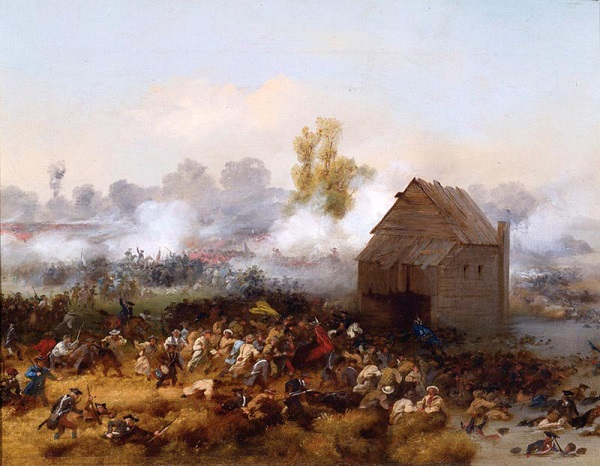
The documentary features interview snippets with many historians, visuals often using classic paintings, some videos of war reenactors and landscapes, graphics illustrating movements of armies and navies, and a narrator explaining events. What it reveals is a tumultuous time for Europe and the Americas, as the scope of the war touched all of the British colonies whether directly or not, and the crucial involvement of France (supporting the revolution) ended up inspiring its own revolution, which of course ended rather differently.
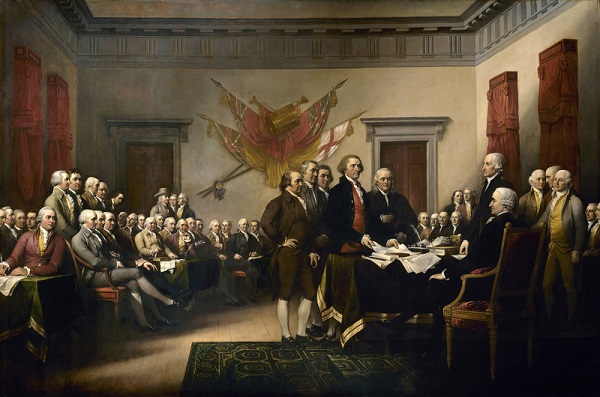
(Committee of Five presenting the Declaration of Independence to Congress. Painting by John Trumbull. All images from GoodFreePhotos.)
There was idealism behind a vision of empowerment for “all men,” but the documentary makes it clear that the Founding Fathers definitely had feet of clay and were creatures of the times – which meant that most of them were slaveholders who had no intention of ending that institution. In addition to the Black slaves, also left behind without votes in the vision and establishment of the new republic were women, native Americans, and non-property-owning men. Nevertheless, the concept of a country without an autocratic ruler shook up the world order in a big way.
I enjoyed the different perspectives of the historians, including a Mohawk member, a dreadlocked Black man, and several women, who pointed out the ways that their ancestors basically got used and abused. Politics as usual, with a lot of negotiations, concessions, and deviations from the ideal on the path toward victory against the British forces.
What the historians of all stripes agreed on is that George Washington was an extraordinary man, without whose leadership the revolution would most likely have fallen into squabbling and failure. Even the British King George III reportedly admitted that in retiring from his command and refusing to become a monarch, Washington must have been “the greatest man in the world.” He managed to keep the struggle going through brutal years, with a terrible loss of life and property, and seemed to inspire loyalty with his mere presence.
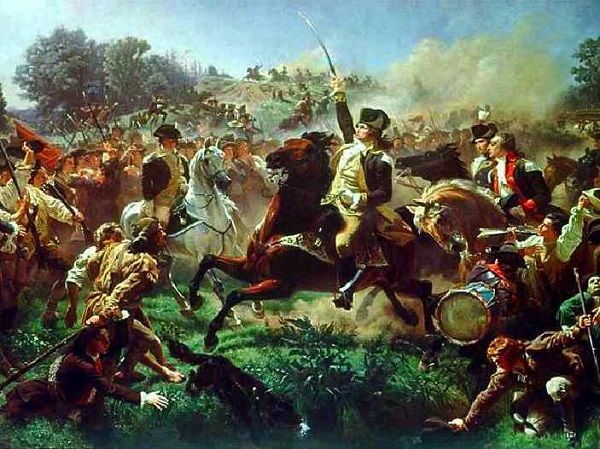
(George Washington Rallying the Troops at Monmouth . Painting by Emmanuel Leutze.)
I admit that I found a lot of the documentary depressing, with so much brutality from all parties, and what amounted to a “civil war” between the Patriots and Loyalists in the different states. The worst for me was Washington’s order for a literal scorched earth – burning all the highly-developed Mohawk towns and farms and driving the people into homelessness and starvation. The Mohawks and other allied tribes had sided with the British, who were not interested in pushing the colonies westward into native lands. The Patriot plan depended on driving out the natives to reward the soldiers and other settlers with their land. Even the natives who fought with the Patriots ended up cheated out of their promised lands. Just the start of endless betrayals and theft of native land that our country has been built upon. And of course the economy depended on slavery, so Blacks who had escaped their owners during the conflict – some fighting for each side — were later hunted down and reclaimed. The British did keep their promise to free the Blacks who had fought with them, but they had to relocate as best they could.
The documentary made good use of excerpts from letter-writers, both American and British, including famous figures such as Benjamin Franklin, but also ordinary soldiers, slaves, natives, and women who played an important part in supporting the troops. I particularly enjoyed the thoughts of Abigail Adams, wife of John Adams, as she seemed very clear-eyed about the challenges and cost of the struggle.
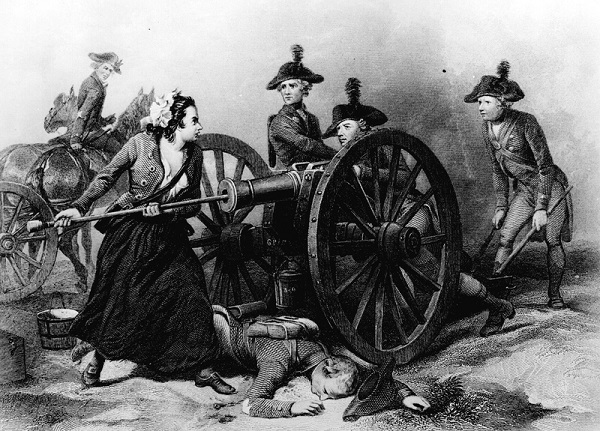
(Molly Pitcher taking part in the battle at Monmouth during the American Revolution. Photo by Library of Congress.)
The documentary closes on a pointed quotation from John Adams about the importance of the new Constitution and Bill of Rights in guarding against “demagogues and corruption,” and the danger of charismatic and ruthless leaders. Will the checks and balances hold today as we face the dismantling of our democratic institutions by the minions of a would-be king? The conclusion is a montage of subsequent post-war “revolutionary” changes in our country, including women earning the vote, and finally citizenship for natives and Blacks. “The revolution is just beginning” – a call to arms?
*****
You will find The Rambling Writer’s blog posts here every Saturday. Sara’s latest novel from Book View Café is Pause, a First Place winner of the Chanticleer Somerset Award and an International Pulpwood Queens Book Club selection. “A must-read novel about friendship, love, and killer hot flashes.” (Mindy Klasky). It’s also a love letter to the stunning beauty of her native Pacific Northwest wild places. Sign up for her quarterly email newsletter at www.sarastamey.com